

Peru offers diverse climates and landscapes, making it an exciting destination year-round. Understanding the best time to visit is essential for enjoying the country’s natural beauty and cultural experiences. Different regions, such as the coastal areas, the Andes, and the Amazon rainforest, each have their own unique weather patterns. Various activities and festivals throughout the year also play a role in determining the optimal time for a visit.
Overview of Peru’s Climate and Geography
Peru’s climate and geography are incredibly diverse, ranging from arid coastal regions to lush rainforests and towering mountains. Understanding these variations is essential for travelers to optimize their experience in this vibrant country.
The Coastal Region
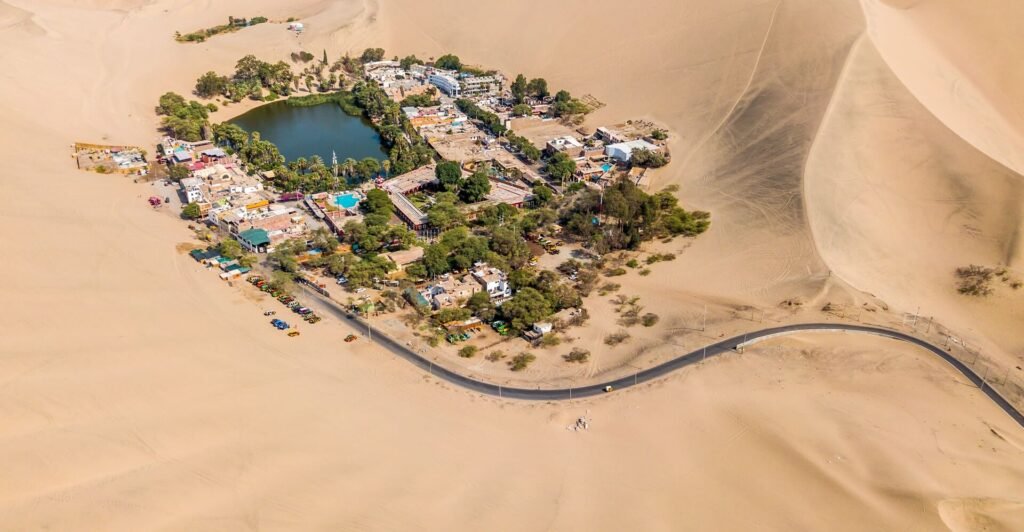
The coastal area of Peru features a mainly desert climate along the Pacific Ocean, characterized by mild temperatures and minimal rainfall.
Weather and Activities
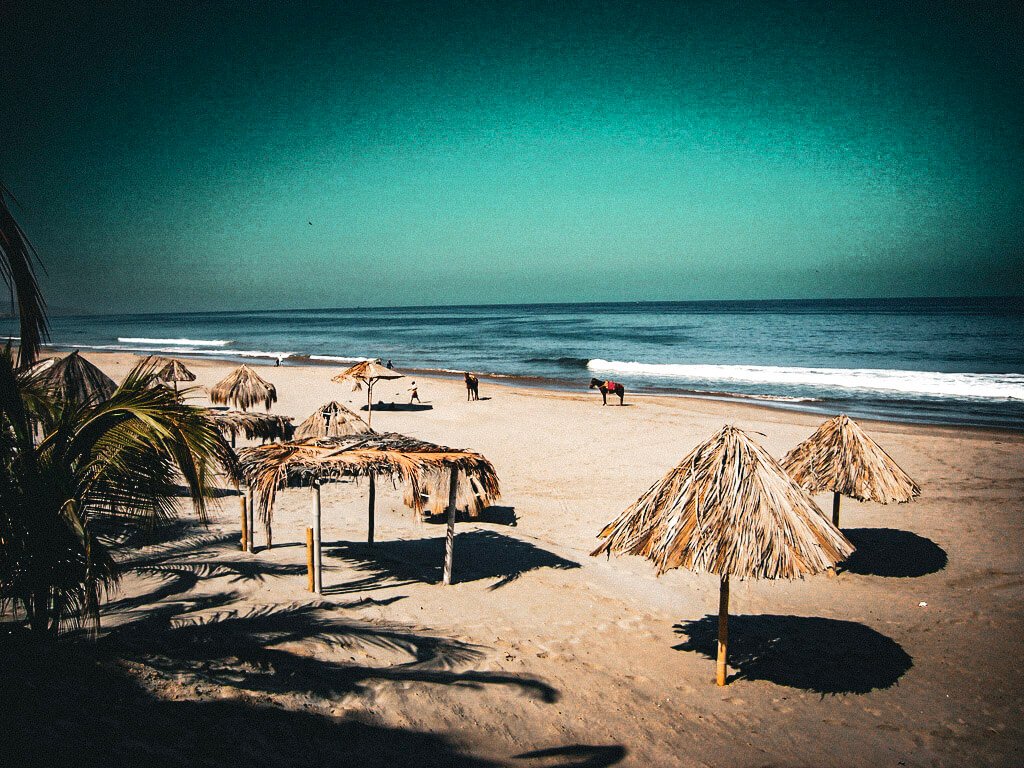
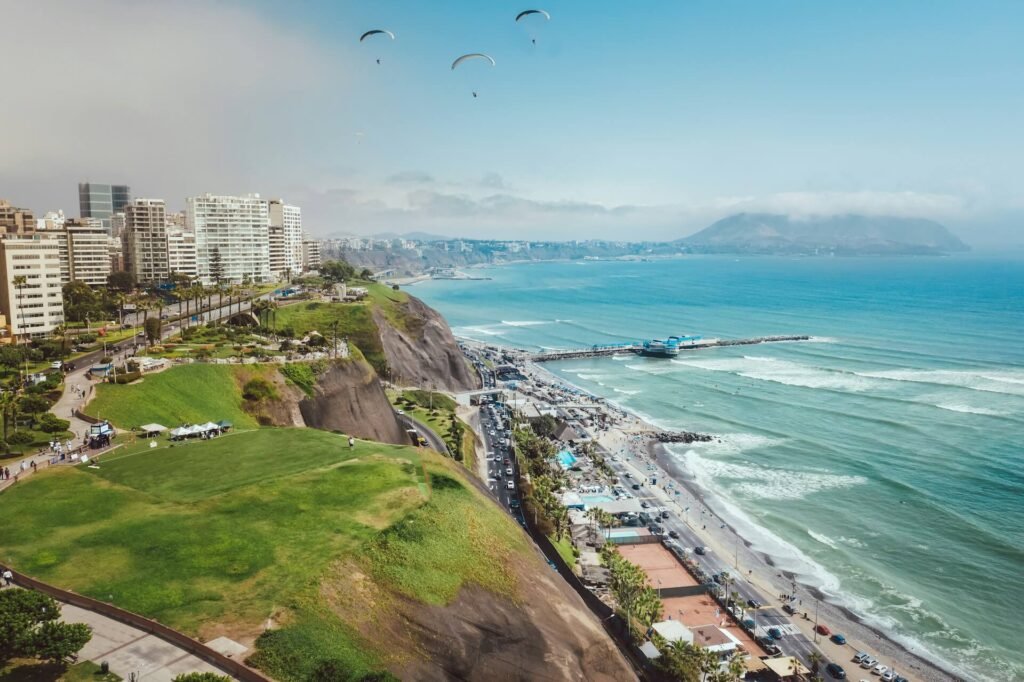
From November to March, the coastal temperatures are pleasant, often reaching around 30°C (86°F), making this a prime time for beach activities. The winter months, from June to September, are cooler but ideal for water sports due to consistent waves.
Popular Beach Destinations
- Máncora: Known for its warm climate and vibrant nightlife, Máncora is perfect for surfing and sunbathing.
- Vichayito: Offers a quieter alternative for those seeking relaxation amidst stunning natural beauty.
- Punta Sal: Famous for luxury resorts and rich marine biodiversity, catering to visitors looking for a more upscale experience.
The Andean Highlands
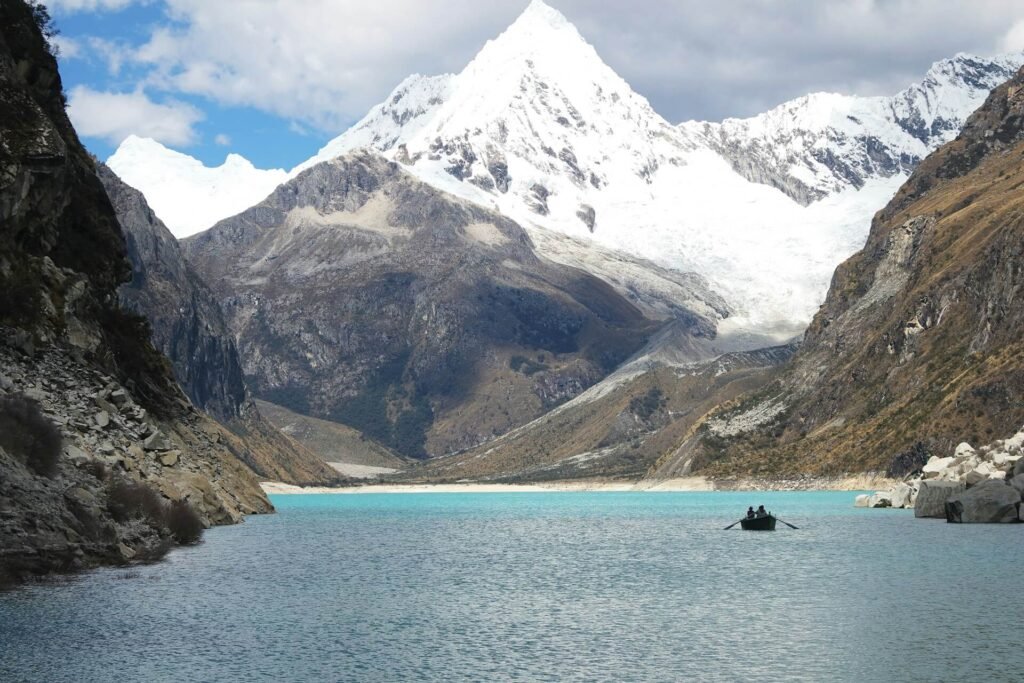
The Andes mountains play a crucial role in Peru’s geography, presenting breathtaking scenery and a variety of climates.
Weather and Trekking Conditions
This region experiences two distinct seasons: the dry season from May to September, which is ideal for trekking, and the rainy season from October to April. During the dry months, travelers enjoy clearer skies and fantastic conditions for hiking and exploring. However, the wet season can result in lingering rain and muddy paths.
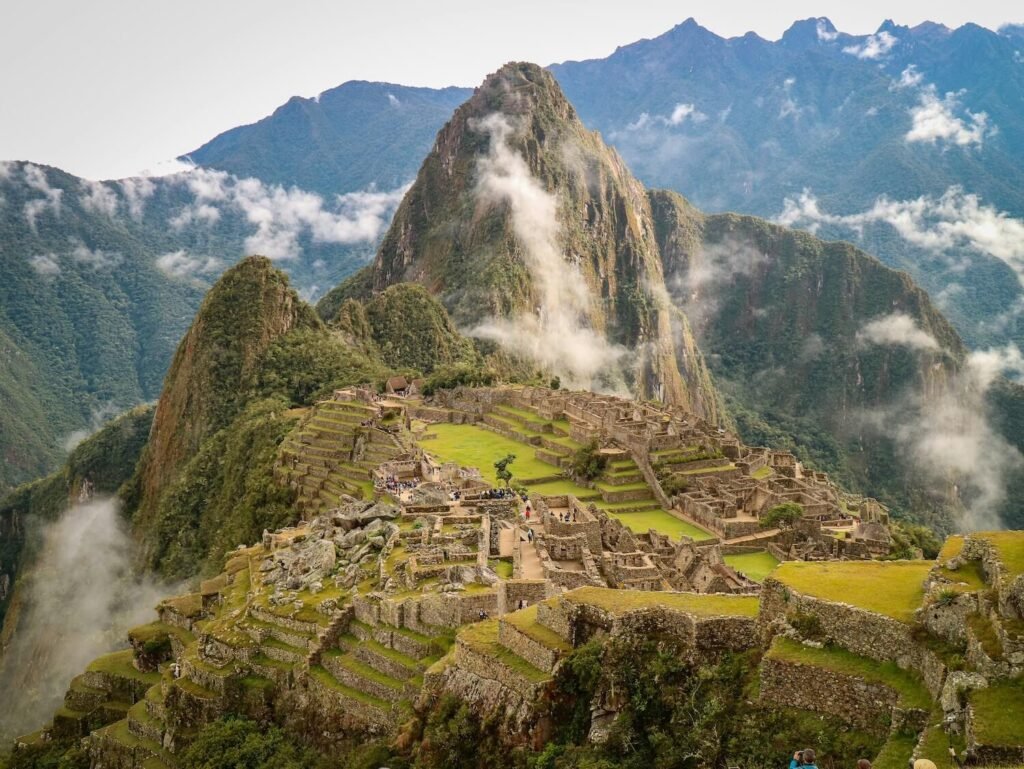
Visiting Machu Picchu and the Inca Trail
Machu Picchu is a highlight for many visitors. The best time to hike the Inca Trail coincides with the dry season, allowing for relatively easy trekking conditions. This period also provides stunning views of the ancient ruins and surrounding landscapes.
The Amazon Rainforest
The Amazon region offers a stark contrast to the arid coastal and mountainous areas with its humid subtropical climate. Rainfall is abundant year-round.
Weather and Wildlife Viewing
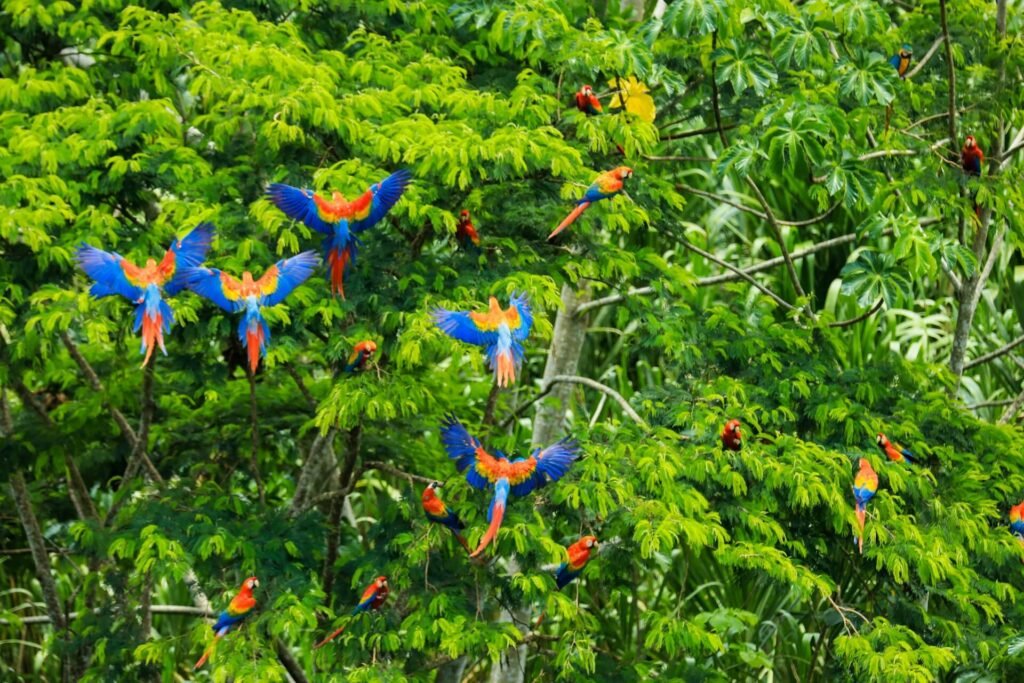
There are two main seasons: the rainy season from October to April and the dry season from May to September. Despite heavy rainfall during the wet months, wildlife is more active, making it a prime time for observers and photographers. During the dry season, trails are more accessible, allowing for easier exploration of the lush environment.
Top Amazon Destinations
- Puerto Maldonado: A gateway to some of the Amazon’s most biodiverse areas, perfect for wildlife enthusiasts.
- Manu National Park: Known for its rich ecosystems, this national park offers guided tours and in-depth experiences.
- Iquitos: A city surrounded by the Amazon River, serving as a launch point for various jungle adventures.
Best Time to Visit Peru by Region
Understanding when to explore different regions of Peru can greatly enhance the travel experience. Each area has its own unique climate and activities that are best suited for specific seasons.
Optimal Months for Coastal Visits
The coastal region of Peru is characterized by warm temperatures and lower humidity, making it a prime destination for beachgoers. The best time to enjoy the stunning beaches and vibrant coastal culture is from November to March. During these months, visitors can take advantage of the sunshine and partake in various water sports.
Weather and Activities
From November to March, average temperatures can reach around 30°C (86°F), making it perfect for sunbathing and swimming. The waters of the Pacific are particularly inviting. Activities such as surfing become popular in this season, especially in towns like Máncora and Punta Sal. These coastal getaways offer pristine beaches where travelers can unwind and soak in the sun.
Popular Beach Destinations
- Máncora: Known for its warm weather and vibrant nightlife.
- Punta Sal: Famous for luxury resorts and serene beaches.
- Vichayito: A quieter alternative for those seeking relaxation.
Best Time to Explore the Andes
The Andean region presents a different climate, with a significant emphasis on the dry season. The ideal months for trekking, particularly on renowned trails like the Inca Trail, are from May to September. During this period, clear skies and lower chances of rainfall create perfect conditions for exploring the majestic landscapes of the Andes.
Weather and Trekking Conditions
Daytime temperatures in the Andes during these months typically range from 15°C to 20°C (59°F to 68°F), which is ideal for hiking. Nights can be quite chilly, so layering is essential. The dry season ensures that trekking routes are accessible, allowing adventurers to fully enjoy iconic sites such as Machu Picchu and the Sacred Valley.
Visiting Machu Picchu and the Inca Trail
For those planning to visit Machu Picchu, the peak season occurs from June to August. Visitors flock to the ancient ruins, drawn by the stunning vistas and cultural significance. It is advisable to book accommodations and permits in advance during this time, as crowds can make the experience less intimate.
Ideal Time for Amazon Adventures
The Amazon rainforest, rich in biodiversity, offers unique experiences throughout the year. However, the best time to explore the Amazon is during the dry season, which runs from May to September. This period sees less rainfall and more favorable conditions for wildlife viewing.
Weather and Wildlife Viewing
In the dry season, temperatures in the Amazon can range from 24°C to 30°C (75°F to 86°F), with humidity levels being lower. This leads to easier navigation through the jungle and better opportunities to spot wildlife such as monkeys, sloths, and an array of bird species.
Top Amazon Destinations
- Puerto Maldonado: A gateway to the Tambopata National Reserve, known for its rich biodiversity.
- Iquitos: The largest city in the world that cannot be reached by road, offering unique eco-lodges.
- Manu National Park: A UNESCO World Heritage site that boasts incredible wildlife and pristine nature.
Best Time to Visit Machu Picchu
Machu Picchu attracts thousands of visitors each year, making the timing of a visit crucial for an optimal experience. Key considerations include weather conditions, tourist seasons, and opportunities to enjoy this ancient wonder peacefully.
Peak Season and Crowds
The peak season for visiting Machu Picchu typically spans from June to August. This coincides with the dry season in the Andes, offering the best weather conditions for exploring the site. During these months, travelers experience sunny days and minimized rain. However, the increased number of visitors can lead to crowded pathways and a more bustling atmosphere.
- June: The Inca Trail is particularly busy this month as students and families take advantage of school holidays.
- July: This month sees an influx of both international and domestic tourists due to summer vacations.
- August: While still popular, crowds begin to taper off as the month progresses.
Off-Peak Season Advantages
Traveling during the off-peak months, such as from December to March, presents several advantages, despite the possibility of encountering wet weather. Visitors can appreciate a more tranquil experience, often enjoying shorter lines and less congestion within the archaeological site.
- Fewer crowds allow for better photo opportunities and a more immersive experience.
- Prices for accommodations and tours may be lower, enhancing budget flexibility.
- The surrounding landscape is vibrant due to the rainy season, often resulting in stunning scenery.
Keep in mind, however, that the Inca Trail is closed in February for maintenance, so alternate trekking routes might be required for those seeking hiking experiences.
Planning Your Inca Trail Hike
The Inca Trail is a popular trekking route leading to Machu Picchu, and proper timing for this adventure is essential. The trail usually opens from March to January, with the peak periods mirroring that of Machu Picchu. Advanced booking is highly recommended, as permits are limited and tend to sell out quickly during peak times.
- For an optimal trekking experience, consider starting your hike early in the morning to avoid later crowds.
- Hiking during the dry season reduces the likelihood of muddy trails, enhancing safety and enjoyment.
Travelers should be prepared for various weather conditions year-round, packing appropriately for both warm days and cooler nights, especially at higher altitudes.
Best Time to Visit Lima
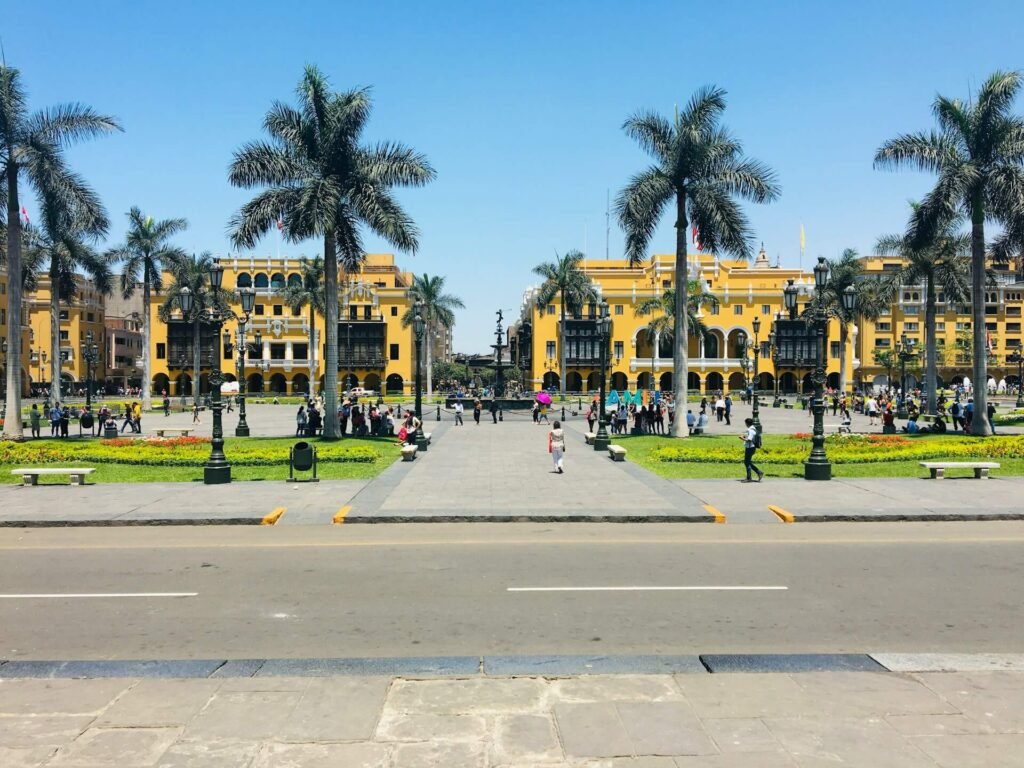
Lima, the vibrant capital of Peru, is known for its rich history, stunning architecture, and culinary delights. Its coastal location influences its weather, making it essential to understand the best times to experience all that the city has to offer.
Weather and Festivals
The climate in Lima is classified as mild and desert-like, characterized by a cool, humid atmosphere, particularly during the winter months of June to September. Here, overcast skies dominate, with occasional fog known as “garúa.” Conversely, from December to March, the city experiences warmer temperatures and sunshine, making it an attractive time for tourists.
Key characteristics of Lima’s weather patterns include:
- Winter (June to September): Average high temperatures range from 63°F to 70°F. This season is predominantly overcast, with cooler evenings.
- Summer (December to March): Daily highs can reach up to 85°F, with plenty of sunshine, perfect for outdoor activities.
Festivals in Lima are abundant and reflect the city’s vibrant culture. Noteworthy events include:
- Fiesta de la Virgen del Carmen (July): Celebrated with traditional dances, music, and parades, this festival brings together both locals and visitors to honor the patron saint of the Afro-Peruvian community.
- Independence Day (July 28-29): A major celebration that features concerts, fireworks, and military parades throughout the city.
- Peru’s National Gastronomy Week (mid-October): Showcasing Lima’s status as a culinary capital, this week features special events that highlight local chefs and cuisine.
Cultural Events and Holidays
Lima is a hub for cultural events that take place throughout the year. These occasions provide visitors with a rich taste of Peru’s heritage, music, and art. Notable cultural holidays include:
- Semana Santa (Holy Week, March or April): The city comes alive with religious processions and celebrations in the lead-up to Easter.
- Festival of the Lord of Miracles (October): This religious event is one of the largest in South America, featuring vibrant processions and a deep sense of spirituality.
- Book Fair (July): A gathering for literature enthusiasts, the fair showcases local and international authors, panels, and workshops.
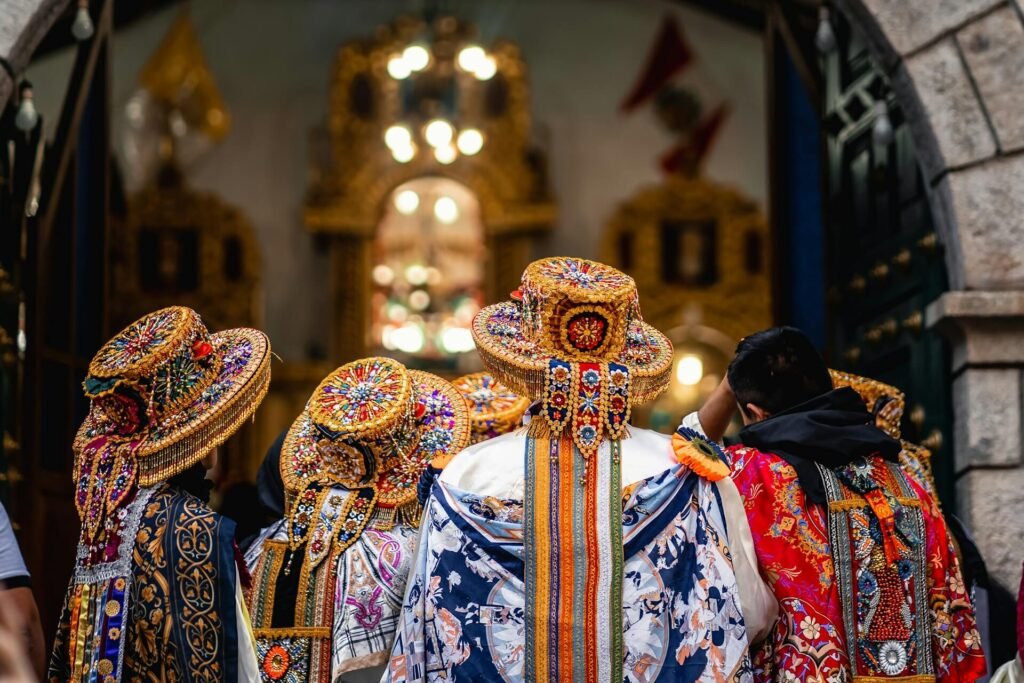
These events not only enrich the visitor experience but also present unique opportunities to witness Lima’s diverse cultural landscape. Exploring the city during these times allows for an immersive experience filled with local traditions, flavors, and history.
Seasonal Travel Tips
Understanding seasonal travel tips can enhance the experience of exploring Peru, ensuring comfort and safety regardless of the time of year.
Packing for the Dry Season
The dry season in Peru, running from May to September, is characterized by clear skies and comfortable temperatures, making it ideal for outdoor activities. Packing wisely can significantly improve the travel experience.
- Layered Clothing: The temperature varies greatly between day and night. Lightweight clothing, such as T-shirts and shorts, are suitable for daytime, while warmer layers like fleece and jackets are necessary for the cooler evenings.
- Comfortable Footwear: Hiking boots or sturdy shoes are essential for trekking and exploring. Comfortable sandals can also come in handy for leisure activities.
- Sun Protection: The sun can be intense in the mountains. Sunscreen, sunglasses, and wide-brimmed hats should be included in the packing list.
- Reusable Water Bottle: Staying hydrated is crucial, especially during hikes. A reusable water bottle helps in managing water intake while being environmentally friendly.
Preparing for the Wet Season
The wet season, from October to April, brings rain to many regions, particularly in the Amazon and Andes. Planning ahead can mitigate the challenges posed by these weather conditions.
- Waterproof Gear: Waterproof jackets and packs are essential. Even if the forecast appears clear, an unexpected shower can occur.
- Quick-Drying Clothing: Fabrics that dry quickly, like synthetic materials, are preferable to cotton. They can handle humidity better and ensure comfort.
- Trails and Safety Gear: Some trails may become slippery. Packing trekking poles and ensuring good grip shoes can enhance safety while walking on wet paths.
Health and Safety Considerations
Traveling in Peru involves navigating different health and safety considerations depending on the season. Being prepared can help ensure a smooth visit.
- Vaccinations: Ensure vaccinations are up to date, especially for regions like the Amazon. Consult a healthcare provider for recommendations prior to travel.
- Altitude Acclimatization: The high altitudes of the Andes can pose challenges. Gradual acclimatization practices should be incorporated into travel plans to avoid altitude sickness.
- Travel Insurance: It is wise to have travel insurance that covers medical emergencies, especially in remote areas where medical facilities may be limited.
Monthly Travel Guide
This guide provides an extensive overview of Peru throughout the year, detailing what to expect in terms of weather, activities, and important cultural events. Each month presents unique opportunities and experiences for travelers.
January to March
Key Events and Festivals
The beginning of the year in Peru is filled with celebrations and natural beauty. Key events include:
- Fiesta de Reyes Magos: Celebrated on January 6, this festival features traditional processions and parties, particularly in cities like Ollantaytambo.
- Carnaval: A vibrant event marked by parades and colorful festivities, occurring in February, especially notable in Cajamarca and Puno.
- Semana Santa: March brings the celebration of Holy Week, with elaborate processions in Cusco and other cities around the country.
Weather Summary
January marks the onset of warm weather along the coast, making it ideal for beach activities. However, in the Andes and the Amazon, rainfall is frequent, which can impact visibility and trekking conditions. February continues with similar weather patterns, while March starts to show a slight decrease in rainfall.
April to June
Key Events and Festivals
This period is significant as it transitions into the dry season, with several notable events:
- Fiesta de las Cruces: Celebrated throughout April, this festival showcases Peru’s rich culture with local traditions.
- Inti Raymi: Taking place in June, this ancient Inca festival of the sun attracts thousands of visitors to Cusco for its elaborate reenactments.
Weather Summary
April sees a decrease in rainfall, making it a suitable month for travelers. May ushers in warmer, drier conditions perfect for trekking and exploring, particularly in the Andes. By June, the weather is typically dry and sunny, although it coincides with increased tourist activity.
July to September
Key Events and Festivals
Travelers can enjoy several festivities during this time, including:
- Peruvian Independence Day: Celebrated on July 28 and 29, this national holiday features parades, fireworks, and a vibrant display of culture across the country.
- Fiesta de Santa Rosa de Lima: In August, Lima hosts events in honor of the patron saint, with music and dance marking the occasion.
Weather Summary
July and August represent peak travel months with ideal conditions for outdoor activities. The clear skies and pleasant temperatures in the Andes are perfect for hiking. September begins the gradual transition to the rainy season, yet remains favorable for outdoor exploration.
October to December
Key Events and Festivals
The latter months of the year feature various cultural highlights including:
- Batalla de Angamos: Celebrated in October, this event commemorates Peru’s maritime history with ceremonies and parades.
- Fiesta de la Virgen de la Candelaria: This significant festival in November involves vibrant cultural displays and traditional dances in Puno and regions across Peru.
- Christmas Festivities: December transforms cities with festive decorations and holiday celebrations.
Weather Summary
October typically presents unpredictable weather as the rainy season approaches. In contrast, November experiences relatively mild temperatures with reduced precipitation, making it a good time for cultural exploration. December, though slightly wetter, offers warm coastal temperatures ideal for beachgoers.
Frequently Asked Questions
This section addresses some of the most common inquiries travelers have when planning a trip to Peru. Understanding these factors can enhance the travel experience and help in effective planning.
When is the Best Time to Visit Peru?
The ideal time to visit Peru largely depends on the desired experiences and the regions being explored. From May to September, the dry season in the Andes is particularly favorable for trekking and visiting historical sites like Machu Picchu. In contrast, for beach lovers heading to the coastal areas, the summer months from December to March offer warm, sunny weather, perfect for water activities.
While peak tourism occurs from June to August in the highlands, some travelers prefer to explore during the shoulder months of April and October to avoid large crowds, yet still enjoy decent weather and events. Each month carries its unique charm and challenges, influencing travel choices significantly.
Is it Safe to Travel During the Rainy Season?
Traveling during the rainy season, which generally spans from December to March, does come with its challenges. In the Andes, heavy rainfall can lead to trail closures and difficult conditions for hiking. However, many travelers find the Amazon rainforest particularly vibrant during this time due to lush greenery and active wildlife.
Although some parts of Peru experience heavy rain, with proper planning and flexibility, adventures are still possible. Travelers should recognize that while the risk of encountering flooding or landslides exists, many regions remain accessible and can offer a rich cultural experience, with fewer tourists around.
What to Expect During Major Festivals?
Peru hosts numerous festivals throughout the year, providing a rich glimpse into the country’s culture and traditions. Significant events, such as Inti Raymi in June and the Semana Santa in March, attract large crowds. These festivals highlight colorful parades, traditional costumes, and elaborate ceremonies, making them memorable highlights of any visit.
Travelers should be prepared for increased crowds and possibly higher accommodation prices during peak festival times. Engaging in local celebrations provides not only entertainment but also insights into the customs and history of various regions, enriching the overall experience.
- Preparation Tips for Festivals
- Book accommodations well in advance, as places tend to fill quickly.
- Research festival schedules to participate in key events.
- Be respectful of local customs and dress appropriately for ceremonies.